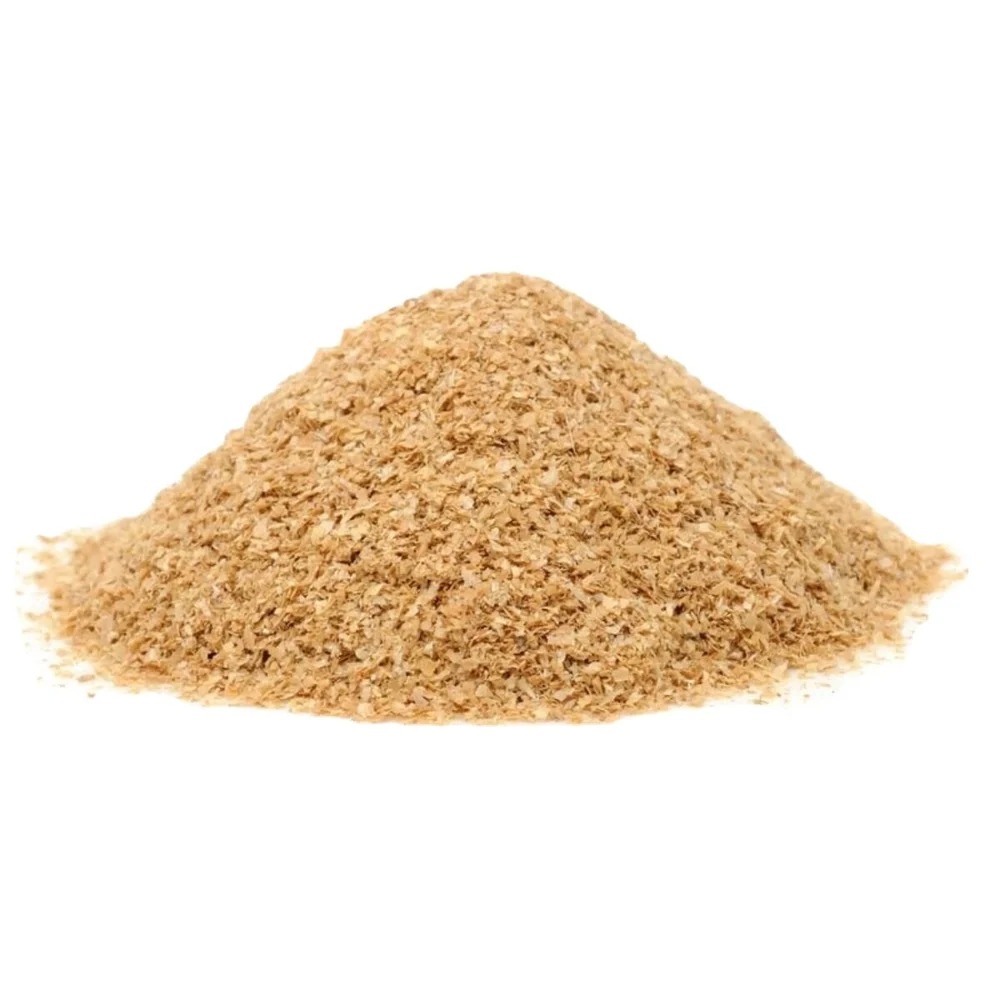
Raw rice bran is a nutrient-rich byproduct of rice milling, consisting of the outer brown layer (pericarp, aleurone, and germ) removed to produce white rice. It is high in fat, protein, fiber, and antioxidants (oryzanols), making it valuable for animal feed, oil extraction, and functional foods.
Key Details of Raw Rice Bran:
- Composition: Contains roughly 50-52% carbohydrates, 13-20% lipids (fat), 13-17% protein, and 7-13% crude fiber.
- Nutritional Value: Rich in B vitamins, phosphorus, potassium, and antioxidants.
- Uses: Primarily used as high-energy livestock feed, cattle feed, and raw material for producing rice bran oil. It is also used in human food products for increased fiber/nutrition.
- Rancidity Risk: Raw bran contains lipoxidases that cause rapid rancidity (oxidation) in warm/humid conditions, often requiring heat treatment or quick stabilization to extend shelf life.
- Physical Properties: Brown, powdery material derived from coarse or fine bran milling steps.
- Nutritive Value (Livestock): Contains around 68-90% Total Digestible Nutrients (TDN) and is an excellent energy source, similar to maize.
Raw rice bran must be processed swiftly after milling because the high-fat content makes it perishable.